Hungry and not sure where to start with latino restaurants in las vegas? Look past the Strip: the best plates sit in neighborhood strip malls, trucks and family dining rooms, and they span far more than tacos.
| Item | Value |
|---|---|
| “A” health grade | 0-10 demerits on the last inspection |
| “B” health grade | 11-20 demerits, or identical consecutive critical or major violations |
| “C” health grade | 21-40 demerits, or identical consecutive critical or major violations |
| Re-inspection after a B or C downgrade | After 15 business days, as determined by the inspector, or may be scheduled sooner at the operator’s request |
| Birria at a city-profiled food truck | Pot roasted for up to 6 hours |
| Las Pupusas shops, per a Las Vegas Weekly guide | six locations around the Valley |
Figures come from the Southern Nevada Health District grade card page and the City of Las Vegas Hispanic Heritage dining post. They can change, so check the source before you rely on them.
What “Latino food” really means in Las Vegas
The phrase covers a lot of ground. A Mexican birria truck, a Salvadoran pupusa counter, a Peruvian rotisserie chicken spot and a Cuban sandwich shop are all part of the same family of cooking, yet each one tastes and feels different. Treating them as one cuisine is the fastest way to order badly.
This guide is an independent, educational overview. It is not affiliated with, endorsed by or connected to any restaurant, brand, agency or organisation named here, and it does not take bookings or enquiries. Think of it as a map for your own exploring, not a ranking.
Most of what makes the scene special is where it lives. The restaurants people return to tend to sit in ordinary shopping centers, next to a tire shop or a bakery, with a handwritten specials board and a line at lunch. If you want the cultural background behind the food, the piece on latino culture in las vegas is a good companion read.
A simple way to sort the options
- Mexican regional cooking: tacos, birria, tamales, mole, seafood cocteles and weekend soups.
- Central American cooking: pupusas, curtido, fried plantains and hearty soups, with Salvadoran restaurants the most visible.
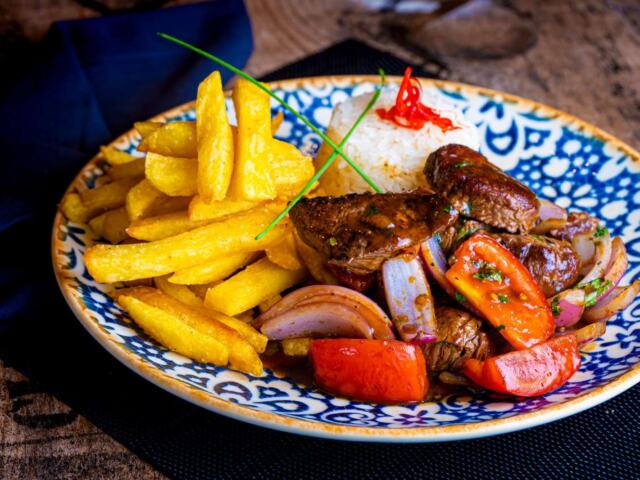
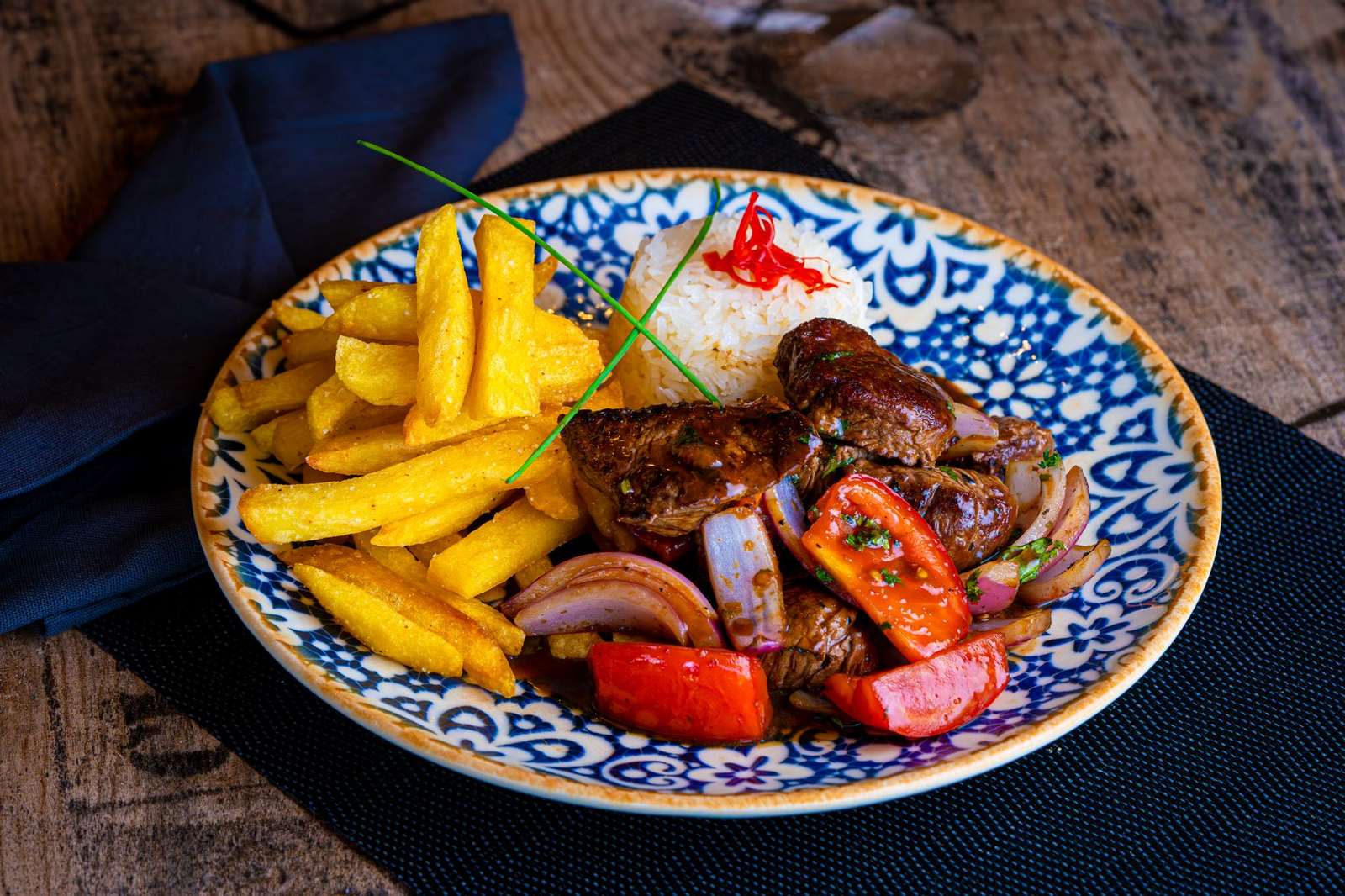
- South American cooking: Peruvian rotisserie chicken, ceviche and lomo saltado, plus occasional Colombian, Venezuelan and Argentine spots.
- Caribbean cooking: Cuban sandwiches, roast pork, black beans and rice, and sweet plantains.
Once you know which family you want, the choosing gets easier. Everything below follows that same logic.
Mexican restaurants: the backbone of the scene
Mexican cooking is the most common Latino cuisine you will meet in the Valley, and it is also the broadest. A taqueria built around grilled meats and a salsa bar is a different experience from a sit-down restaurant serving molcajete platters, and both differ from a truck that only makes one stew. Start by deciding how much time you have and how adventurous you feel.
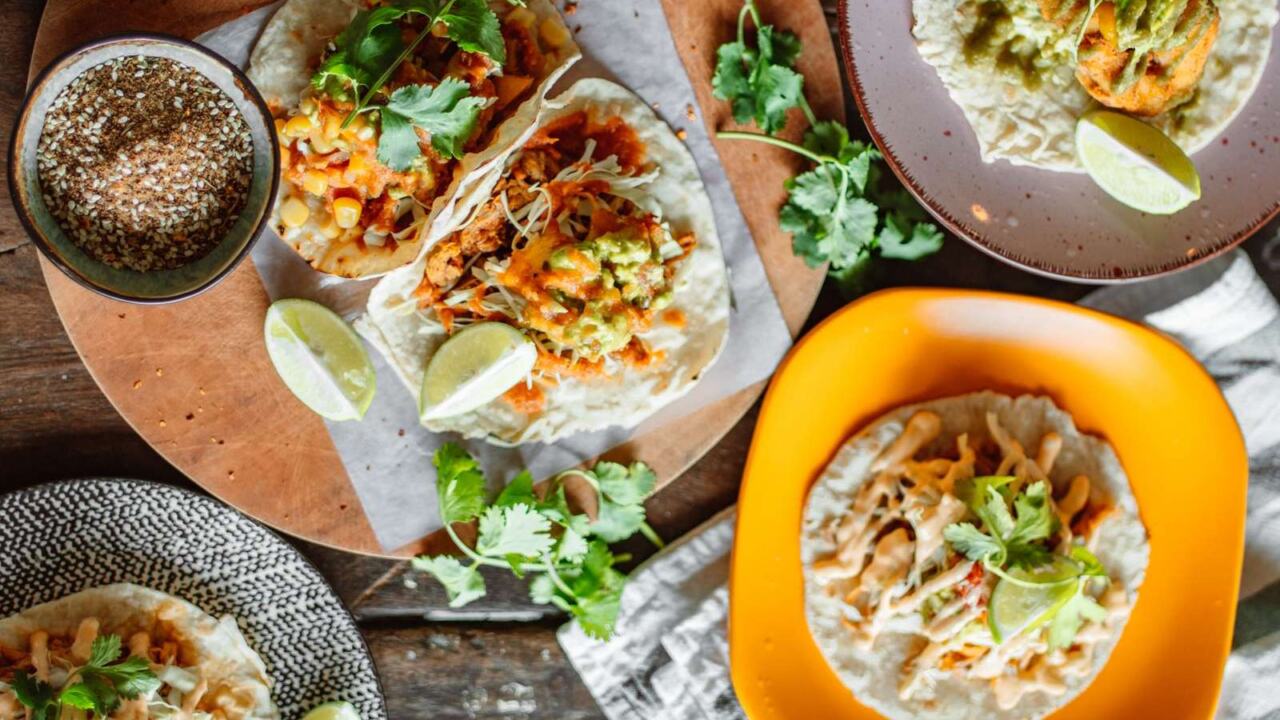
For a broad starting point, the guide to the best mexican food in las vegas walks through the main styles. If you already know you want handheld food, the best tacos in las vegas page narrows it down.
Birria and the single-dish specialists
Some of the most memorable meals come from kitchens that do one thing and do it slowly. The City of Las Vegas Hispanic Heritage post describes Birrieria Dimas as a mobile food truck specializing in Mexican beef birria, pot roasted for up to 6 hours in a broth called consomé. That long cook is the point: the meat turns tender and the broth becomes something you sip alongside the tacos.
The same city post also profiles Casa Don Juan, described there as known for serving some of the best authentic Mexican food in the Las Vegas valley, and Los Molcajetes, named for the traditional stone mortar used to make salsa and guacamole. Those descriptions come from the city’s own heritage-month feature, so treat them as one local source rather than a verdict. Both the dishes and the stories are a reminder that many of these restaurants are family projects.
If birria is what you are after, the dedicated page on birria tacos las vegas covers how to order it, from dipped tacos to a cup of consomé on the side.
Seafood, soups and regional plates
Beyond tacos, look for the menu sections people skip. Mexican seafood cocktails, fish tacos, caldos and weekend-only stews show up in many dining rooms, and they are often where a kitchen shows its strengths. A small laminated “specials” card taped to the register is a useful sign.
Ask what the cook is proudest of. Staff at family-run places usually answer with enthusiasm, and the answer is often not the item at the top of the menu.
Central and South American flavors worth seeking out
Las Vegas also draws cooking from well beyond Mexico. Taking a few detours into Salvadoran, Peruvian and Cuban kitchens is one of the easiest ways to widen your sense of what Latino dining can be. You do not need to know the dishes in advance; you only need to ask.
Salvadoran pupusas
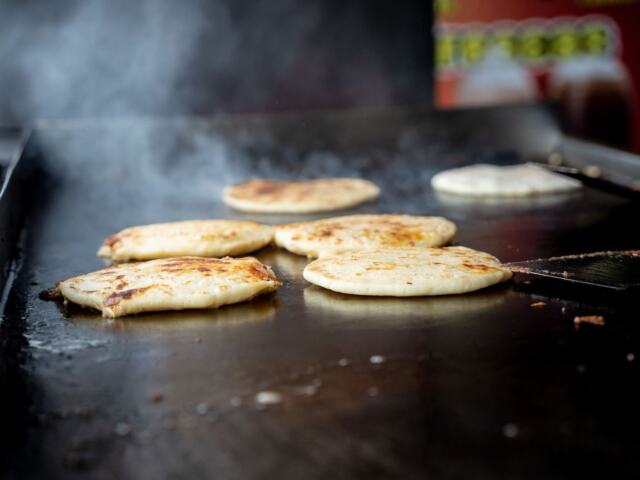
A pupusa is a thick, hand-patted disc of masa dough stuffed with cheese plus meat, beans or vegetables, then griddled. A Las Vegas Weekly guide describes it as a piping-hot, pillowy disc, served with a thin tomato sauce and a lightly fermented cabbage slaw called curtido. The same guide calls the pupusa a traditional dish from El Salvador and Honduras.
That 2017 Las Vegas Weekly pupusa guide noted that Las Pupusas had six locations around the Valley, and it highlighted fillings such as revuelta (beans, chicharrón and cheese) and queso con loroco, made with a mild flower bud from Central America. Because that guide is from 2017, confirm that any restaurant it names is still open and where it is before you drive over.
For a broader tour of the cuisine, including soups and sides, see the page on salvadoran food las vegas.
Peruvian rotisserie chicken and ceviche
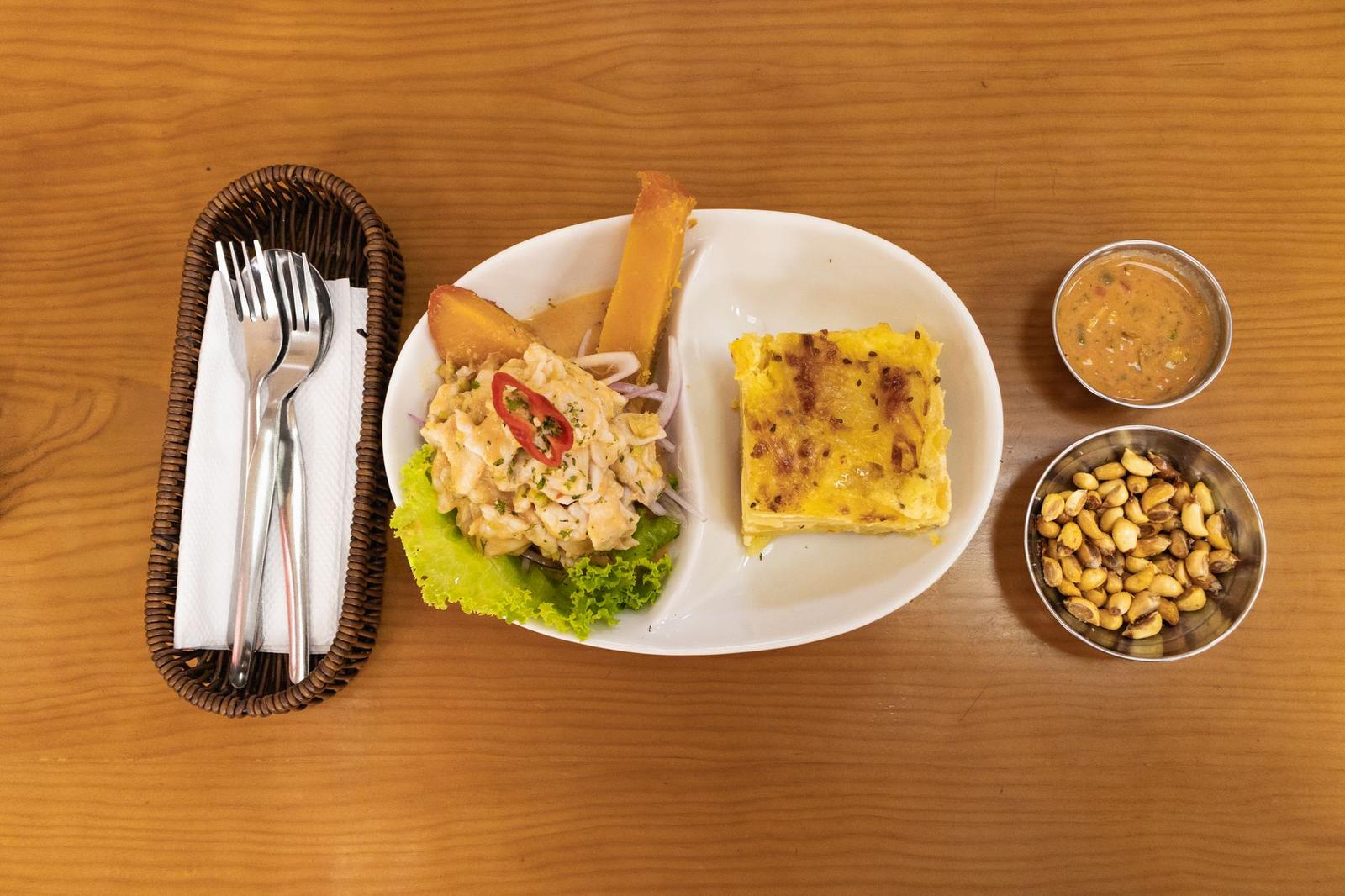
Peruvian cooking brings bright acidity, chili heat and charcoal-roasted chicken. The City of Las Vegas post says Peru Chicken specializes in authentic Peruvian food, highlighting the famous pollo a la brasa, or Peruvian rotisserie chicken. Ask which sides and sauces come with it, because the green and yellow sauces are often what people remember.
If you like the sound of citrus-cured fish and potato dishes, the guide to peruvian restaurants las vegas goes further.
Cuban sandwiches, roast pork and plantains
Cuban kitchens are a good fit if you want comfort food: pressed sandwiches, slow-roasted pork, black beans, rice and fried plantains. Portions are usually generous, and lunch specials are common. The page on cuban restaurants las vegas lists what to look for.
A glossary of dishes you will see on menus
Menus in these restaurants are often bilingual, and sometimes only in Spanish. Knowing a handful of words turns a confusing board into a real choice. Here are the terms that come up most.
- Consomé: the rich broth that comes with birria, served for dipping or sipping.
- Curtido: a lightly fermented cabbage slaw that tops Salvadoran pupusas.
- Revuelta: a pupusa filled with a mix, usually beans, pork and cheese.
- Pollo a la brasa: Peruvian rotisserie chicken.
- Salsa roja and salsa verde: red and green sauces, with heat that varies widely.
- Caldo: a soup or stew, often a weekend favorite.
- Torta: a sandwich on a soft roll, usually with meat, beans, avocado and chili.
- Molcajete: a stone mortar, and also the name of a sizzling platter served in one.
If a word is not on this list, ask. People who cook for a living tend to enjoy explaining their food, and a question usually earns you a better meal than guessing does.
Corn, flour and the tortilla question
Tortillas matter more than newcomers expect. Corn tortillas carry a toasty, earthy flavor and suit tacos with strong fillings, while flour tortillas are soft and pliable and are common in northern Mexican cooking. A kitchen that presses or griddles its own tortillas is worth a return visit.
The same logic applies to masa. Pupusas, tamales and many antojitos, or small street snacks, begin with the same dough, and the texture reveals how carefully it was made. Light and tender is the goal; dense and dry is a warning.
Eating by time of day
Latino restaurants often run on a different clock from Strip dining. Breakfast can be a full meal, lunch is the main event, and some trucks and stands serve late. Planning your visit around the kitchen’s best hour gets you better food.
- Morning: look for chilaquiles, huevos rancheros, huevos a la mexicana and café de olla. Our guide to mexican breakfast las vegas covers the classics.
- Midday: ask about stews, rotisserie chicken and daily specials.
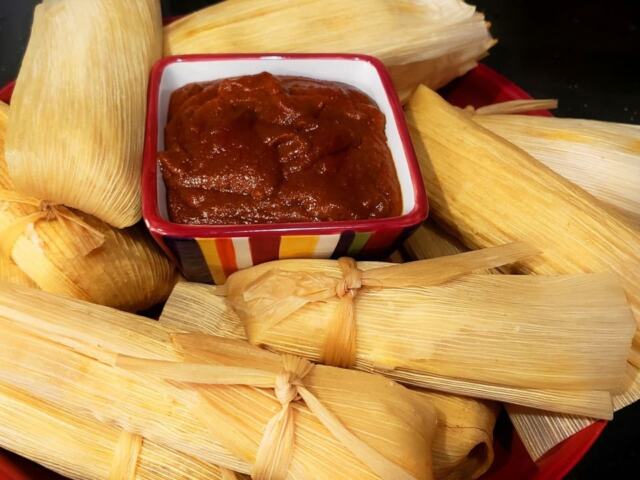
- Weekend mornings: tamales are a traditional weekend and holiday food. The page on tamales las vegas explains fillings and wrappers.
- Evening: taquerias, trucks and grills are at their liveliest, so expect lines and be patient.
Dining times differ by restaurant, so check a business’s own hours before you go. Many small places change schedules without much notice.
Events and seasonal food
Food also follows the calendar. Festivals, holiday markets and heritage celebrations bring pop-up vendors and special dishes, and the City of Las Vegas has used its Hispanic Heritage Month feature to spotlight local restaurants. For dates and what to expect, see latino events in las vegas and plan ahead, because schedules shift from year to year.
How to choose a good restaurant and read the health grade
You do not need insider knowledge to pick well. A few habits help, and one of them is checking the letter grade posted at the door. Restaurants in the area are graded by the Southern Nevada Health District, and the card tells you how the last inspection went.
According to the Southern Nevada Health District’s grade card explanation, an “A” grade means 0-10 demerits on the last inspection. A “B” means between 11 and 20 demerits or identical consecutive critical or major violations. A “C” means between 21 and 40 demerits, identical consecutive critical or major violations, or more than 10 demerits on a B re-inspection.
The same page says an establishment downgraded to a B or C must be re-inspected to ensure violations are corrected, with the re-inspection after 15 business days, as determined by the inspector, or possibly scheduled sooner at the operator’s request. A single grade is a snapshot, not a full story. A good restaurant can have an off day, and a high grade does not guarantee a great meal.
Signals that point to a good meal
- A short, focused menu that does a few things well.
- A steady stream of regulars who greet staff by name.
- Tortillas, salsas or masa made in-house, often visible from the counter.
- A clean, posted grade card and a kitchen that looks tidy.
- Daily or weekend-only specials written by hand.
No single signal is a guarantee. Together they tell you a lot more than a star rating does.
Practical tips for ordering and visiting
Many of the best spots are small, cash-friendly and busy, so a little preparation makes the visit smoother. Bring patience, an open mind and a willingness to ask questions.
- Ask for recommendations. Staff usually know which dish is freshest that day.
- Share and sample. Ordering a few items for the table lets you taste more styles.
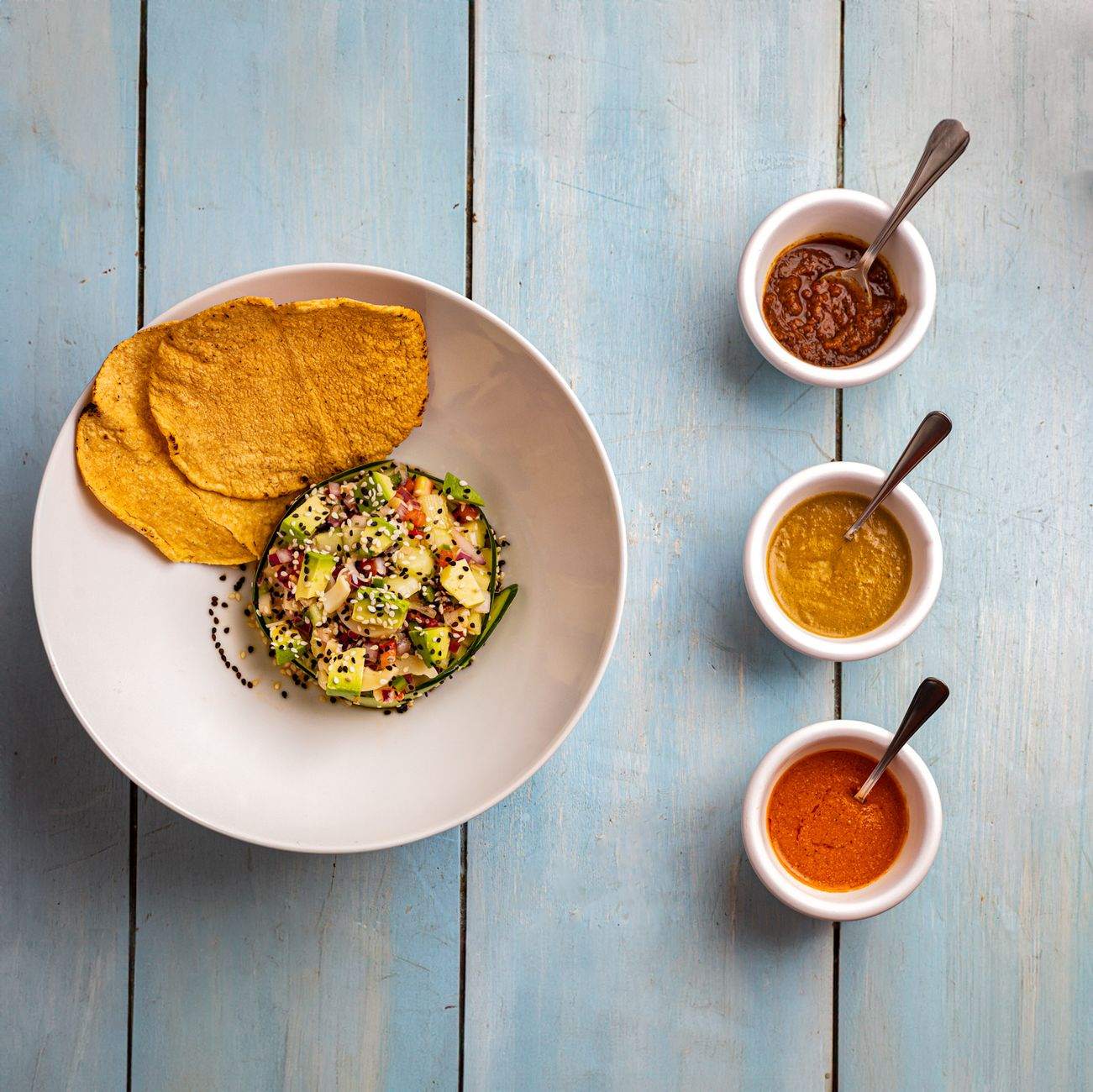
- Check the salsas. Heat levels vary; try a little before pouring.
- Mind allergies and diet. Lard, shared griddles and meat-based broths are common, so ask directly about anything you avoid.
- Confirm before you drive. Trucks move and hours change; look at the business’s own page or phone first.
- Tip for service. Counter and truck service often relies on tips just as table service does.
Spanish is common in these restaurants, but staff are generally happy to help in English. A friendly “gracias” is always welcome, and pointing at a neighbor’s plate and asking what it is works in any language.
Eating on a budget
Many of the most satisfying meals are also the least expensive. Trucks, counters and small family restaurants often charge less than sit-down chains, and shared plates stretch a budget further. Prices vary and change, so check a menu before you commit rather than trusting a figure from an old review.
Lunch specials are the best value in most places. Ask whether there is a combination plate, and whether sides such as rice, beans or salad come included.
Going with a group, kids or picky eaters
Large tables are easy when the menu is built for sharing. Platters, soups for the middle of the table and baskets of tortillas let everyone take what they like. Children usually enjoy plain quesadillas, rice and beans, plantains or a cheese pupusa. Ask whether the kitchen can leave the chili out.
Vegetarians can often eat well on cheese, bean and vegetable fillings, but ask about lard and meat broths. If you are sensitive to spice, request sauces on the side.
Respecting small kitchens
Family-run restaurants and trucks work with thin margins and long hours. Order when you arrive, keep the line moving at busy times, and be kind if something runs out, since fresh batches of masa, broth or rice are often made in limited amounts. A polite review that names the dish you loved helps a small place far more than a complaint about wait time.
If you enjoy a spot, tell a friend and return on a different day to try another dish. Regular customers are what keep these kitchens open, and repeat visits are how you learn a menu properly.
Planning a food crawl
A good crawl mixes cuisines. Start with a breakfast plate, move to a pupusa or taco lunch, and finish with Peruvian chicken or a Cuban sandwich the next day so you do not wear out your appetite. Keep each stop small, split dishes, and leave room for a drink or dessert at the next place.
Frequently asked questions
Is Latino food in Las Vegas all Mexican?
Show answer
No. Mexican restaurants are the most visible, but the Valley also has Salvadoran, Peruvian and Cuban kitchens, among others. Browse by country to find the dish you want.
Do I need to go off the Strip to find good Latino food?
Show answer
Choose by the dishes you want to try rather than location alone. Check the hours first, since small places change them often.
How do I know a restaurant passed its health inspection?
Show answer
Look for the letter grade posted by the Southern Nevada Health District. An “A” means 0-10 demerits on the last inspection, according to the district’s grade card page.
What should I order if I have never tried this food?
Show answer
Pick one dish from a family of cuisine: tacos or birria for Mexican, a pupusa for Salvadoran, or rotisserie chicken for Peruvian. Then ask the staff what they would add.