Wondering what latino culture in las vegas really looks like beyond the Strip? It is a living, mostly Mexican-rooted community of food, music, family rituals and neighbourhood celebrations, and this guide shows you where to start.
| Item | Value |
|---|---|
| Latino share of Clark County voting-age residents, 2022 | More than 23 percent |
| Same share in 2009 | About 14 percent |
| Nevada residents of Mexican ancestry (2019 surveys) | 677,268 people |
| Nevada residents of Cuban ancestry (2019 surveys) | 36,041 people |
| Nevada residents of Guatemalan ancestry (2019 surveys) | 23,410 people |
These figures come from The Nevada Independent’s analysis of Census data and Wikipedia’s page on Hispanics and Latinos in Nevada. Numbers change with every survey, so check the sources before you rely on them.
What Latino culture in Las Vegas means
Las Vegas is known worldwide for casinos, but the people who keep the valley running have always brought their own traditions with them. Latino culture here is not one thing. It blends Mexican, Central American, Cuban, Puerto Rican, South American and many other roots, and it shows up in kitchens, churches, dance halls, schools and parks as much as on stages.
That variety matters. Someone raised in a Mexican family from Jalisco, a Salvadoran household or a Cuban family that arrived decades ago will each describe the community differently. The community is, as one advocate quoted by The Nevada Independent put it in his own words, not a monolith, and voting and cultural habits vary by immigration experience, age and Spanish proficiency.
This guide is an independent, educational overview. It points you to the parts of the story, from numbers to neighbourhoods to celebrations, and links to deeper pages on each.
- Language: Spanish is heard daily in shops, workplaces and media, alongside English and the mix of both many younger people speak.
- Food: regional Mexican cooking, Central American pupusas, Cuban sandwiches and street-style tacos all have local followings.
- Music: mariachi, folklorico dance, banda, cumbia and reggaeton all find audiences.
- Family life: milestone celebrations such as quinceañeras bring extended families together.
Words and identity
Terms matter, and people choose them differently. Latino usually refers to people with roots in Latin America, while Hispanic is a broader label that stresses Spanish-speaking heritage. Many residents prefer something more specific, such as Mexican American, Salvadoran, Cuban or Chicano, and some identify first with a hometown or state.
When you are unsure, listen to how a person describes themselves and follow their lead. Treat labels as a starting point for a conversation rather than a box to tick.
Language in everyday life
Spanish is part of daily routines for many families, but it does not look the same everywhere. Some older residents speak mostly Spanish, some younger people speak mostly English, and many move between the two in a single sentence. That mix, often called Spanglish, is a real part of local culture and not a mistake.
For visitors, bilingual signs, menus and event programmes are common at heritage events. Even so, learning a handful of words is a kind gesture:
- Gracias and por favor for thanks and requests.
- Buen provecho to wish someone a good meal.
- ¿Qué me recomienda? to ask what a cook suggests.
The people and history behind the culture
Who lives here
Numbers help frame who is part of this community. According to The Nevada Independent, in 2022 more than 23 percent of Clark County’s voting-age residents were Latino, up from about 14 percent in 2009. The same analysis says growth in the voting-age Latino population has outpaced overall population growth in the Las Vegas Valley.
Ancestry tells a second story. In Wikipedia’s summary of 2019 survey data, the largest statewide group by far is Mexican, at 677,268 people, followed by Cuban at 36,041, then Puerto Rican at 30,968 and Guatemalan at 23,410. These are statewide counts for Nevada, not just the city, but most of the state’s population lives in the Las Vegas area.
For a fuller demographic picture, read our guide to the latino population in las vegas. It looks at how the community has grown and where its members trace their roots.
How the community took shape
Migration to Nevada has long been tied to work. Wikipedia’s overview notes that all Hispanics who migrated to Nevada until 1960 were of Mexican origin, and that Mexico permanently lost Alta California in 1848 after the Mexican-American War and the Treaty of Guadalupe Hidalgo, which reshaped the region’s borders.
From 1960 the picture widened. The same page says many Cubans fleeing the Castro regime, and many East Coast Hispanics, mainly of Puerto Rican origin, migrated to Nevada, and that many of the first Cuban newcomers had worked at Cuba’s casinos and came to Las Vegas to keep working in that profession.
Those threads continue today: hospitality, construction, healthcare, education and small business all draw on Latino labour and leadership. If you want the longer timeline, the history of latinos in las vegas walks through it step by step.
Why the numbers matter for culture
Growth in population usually means growth in cultural infrastructure. More families mean more schools with dual-language programmes, more churches offering Spanish-language services, more bakeries and markets, and more demand for performances and public events.
The variety inside the data deserves attention too. A statewide count of Cuban, Puerto Rican and Guatemalan residents sits far below the Mexican total, yet each community has its own food, holidays and music. A culture guide that treated everyone as one group would miss the details that make each tradition recognisable to the people who practise it.
Keep in mind that survey categories rely on self-identification. People choose how to answer, and the answers change over time, so use the figures as a rough guide to scale rather than a precise headcount.
Celebrations and the cultural calendar
The calendar is where culture is easiest to see. The City of Las Vegas posted a Hispanic Heritage Month events page dated September 15, 2026, with programming running through December. It includes El Grito, described as a cultural celebration featuring live performances, local vendors, food and drinks to celebrate Mexico’s Independence Day.
The same listing also names a Mariachi Conservatory of Las Vegas evening honouring Día de los Muertos and a Tamales and Mariachi Festival to kick off the holidays, with mariachi and folklorico performances. Some events are hosted at the Historic Fifth Street School.
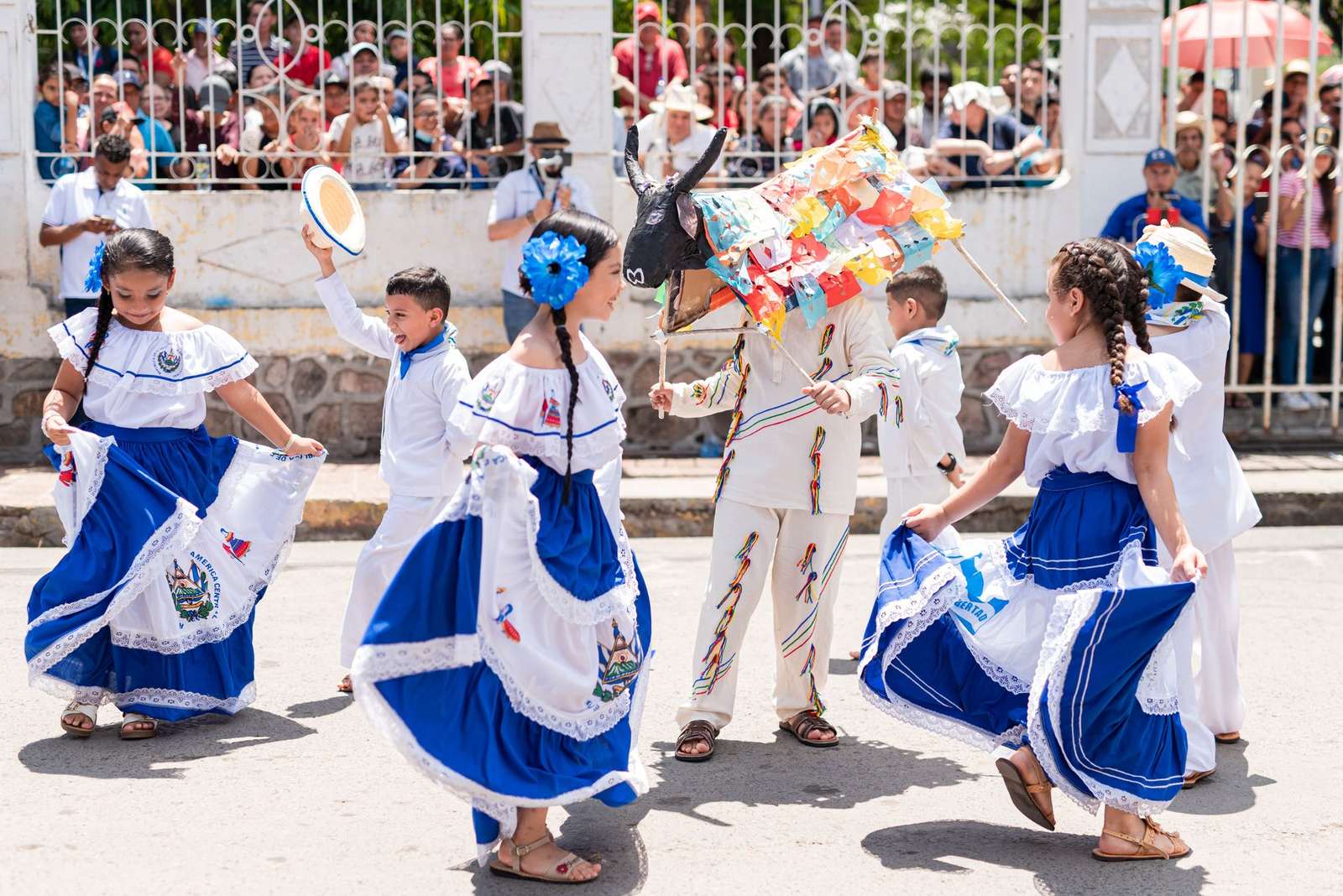
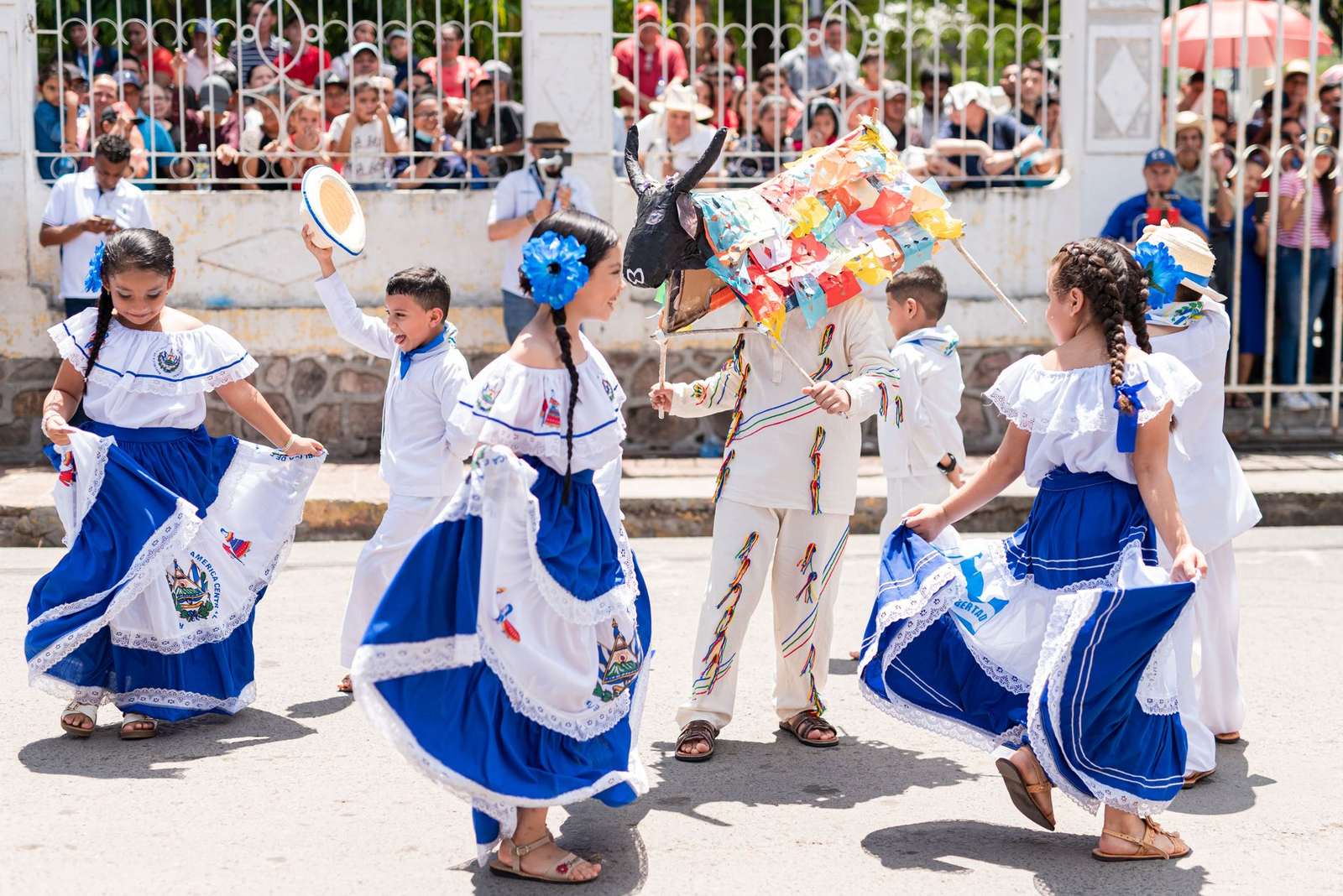
Community-run festivities matter too. The Nevada Independent photographed a Mexican Independence Day celebration at Gary Reese Freedom Park on Friday, September 15, 2023. Papel picado banners in green, white and red fluttered over a stage, with singers, folk dancers and young contestants dressed in the traditional attire of the Mexican state their family is from.
For a season-long overview, see our page on hispanic heritage month las vegas. Planning a specific weekend? Our list of latino events in las vegas is a good next stop.
Celebrations are not only about spectacle. Parades and festivals give immigrant families a way to feel close to home, and they introduce children born here to traditions their grandparents knew.
Dates beyond September deserve a look as well. Día de los Muertos, the Christmas season with its posadas and tamales, and local saint’s-day celebrations all give you reasons to return across the year. Many are run by volunteers and parishes rather than large organisers, so they may not be widely advertised.
Here is how to get the most from a visit:
- Check the official city or organiser page for dates, because schedules shift from year to year.
- Arrive early for parades and festivals, since parking and shade fill quickly.
- Bring cash for small food vendors, and try something you cannot name.
- Stay for the music: the evening performances are often the heart of the event.
Neighbourhoods, businesses and everyday life
Culture lives in ordinary places: a bakery counter, a corner taquería, a botánica, a barbershop, a church hall. Many of these are run by families and are rooted in particular parts of the valley. To explore where they cluster, start with latino neighborhoods in las vegas.
Weekends often show the community at its most visible. Families gather at parks for birthdays, church groups organise fundraisers with plates of food, and sports leagues bring neighbours together. Soccer in particular is a common shared language, and a match can turn a park into a festival of flags, coolers and music.
Work shapes the rhythm of the week too. Many people in the community work in the resort and hospitality economy that defines Las Vegas.
Business ownership is another thread, from restaurants and construction firms to media and professional services. Our overview of latino owned businesses las vegas explains how to look at the sector. This site does not sell services or take enquiries for any business it mentions, so contact companies directly through their own channels.
When you visit, a few habits go a long way:
- Greet staff and neighbours first; a simple “buenas tardes” is welcome.
- Ask what a dish is or how it is traditionally eaten; most cooks enjoy explaining.
- Do not assume everyone speaks Spanish, or that everyone with a Spanish surname does.
- Be patient at busy family-owned spots, especially on weekends.
Food, art, music and media
Food is the easiest doorway. Mexican regional dishes dominate, but the wider Latino community also brings Salvadoran, Guatemalan, Cuban, Puerto Rican and South American cooking. Our dedicated page on latino restaurants in las vegas covers where to eat.
Here is a short tasting guide for newcomers, without naming any single business:
- Tacos and street food: look for a griddle, a line and a salsa bar with several options.
- Tamales: steamed in corn husks or banana leaves, they are especially common around the holidays.
- Pupusas: thick stuffed tortillas from El Salvador, usually served with curtido, a tangy cabbage slaw.
- Panadería treats: pick up a tray and tongs, choose your pan dulce and pay at the counter.
- Aguas frescas: fruit, rice or hibiscus drinks that cool you down in the desert heat.
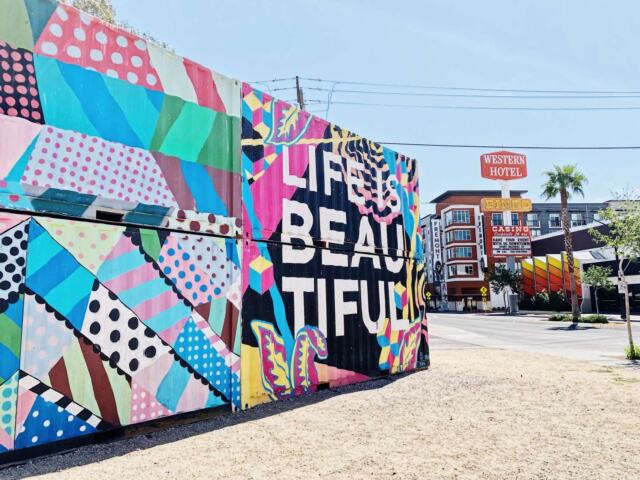
Visual art tells community stories on public walls. Murals often mark identity, memory and pride, and you can find out more in our guide to murals in las vegas.
Music and dance are taught as well as performed. The City of Las Vegas events page names a Mariachi Conservatory of Las Vegas programme and folklorico performances, which suggests how these art forms are passed to younger generations. Folklorico dancers wear costumes tied to specific regions of Mexico, and the skirts, ribbons and boots tell you something about where a dance comes from.
Sound ties it together. Many listeners follow Spanish-language stations for music, news and community announcements, and our overview of spanish radio stations las vegas explains the options. Spanish-language media also plays a role in civic life: The Nevada Independent reports that, in that cycle’s presidential and Senate races, Democratic groups and candidates had aired more than $17 million worth of Spanish-language ads in Nevada, while Republicans had spent about $2.5 million in the Senate race.
Family traditions and how to join in respectfully
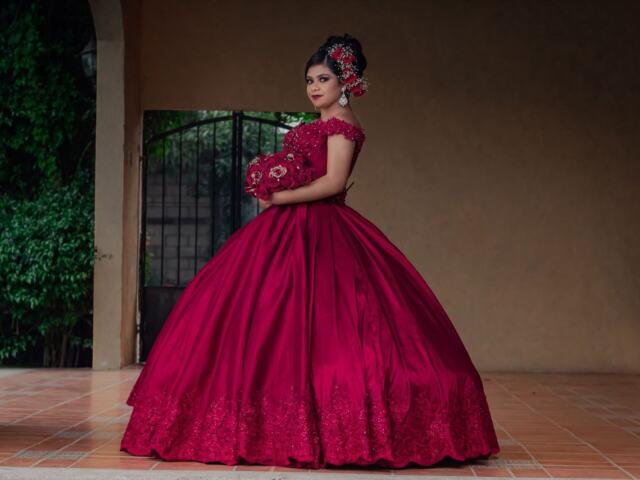
Family milestones anchor the culture. The best known is the quinceañera, a celebration of a girl’s fifteenth birthday that often includes a ceremony, a formal dress, a court of friends and a large party. Our explainer on quinceanera traditions describes the customs in detail.
Other moments carry weight as well: baptisms, first communions, weddings, Día de los Muertos altars and holiday posadas. Food is shared, music is loud, and children are welcome at almost everything. If you are invited to one, accept; hosts usually treat guests as family.
Faith often sits at the centre of these gatherings. Many families mark milestones with a Mass or blessing before the party, and altars and candles carry deep meaning. Even if you do not share the beliefs, quiet attention and polite curiosity show respect.
Respect is part of the etiquette. Ask before photographing altars or religious rites, dress a little more formally than you would for a casual outing, and bring a small gift if the host is a private family.
How to explore respectfully
You do not need an insider to take part. Start with free public events, visit family-owned businesses, and read community-run media. Spend money locally and listen more than you speak.
It also helps to think about who benefits from your visit. Family-owned shops, community media and nonprofit cultural programmes rely on word of mouth, so a kind review, a tip or a repeat visit goes further than a single photograph. Avoid treating people or traditions as a backdrop; ask first, thank people, and take only what is offered.
Seasonal timing can shape your plans. Heritage programming clusters in autumn and runs into the holiday season, as the City of Las Vegas listing shows, while quinceañeras and weddings happen year-round, mostly by private invitation. Check each organiser’s own page rather than relying on a general guide.
A simple plan for a first weekend:
- Pick one heritage event from the city calendar or a community group.
- Eat lunch at a small restaurant rather than a chain.
- Find a mural and take your time with it.
- Tune in to a Spanish-language station on the drive home.
Remember the limits of any guide like this one. It is an independent, educational resource and is not affiliated with or endorsed by any organisation named here, and it cannot speak for every Latino family in Las Vegas.
Culture here keeps changing. New arrivals bring new dishes and new songs, and young people blend old and new in art, fashion and music. Take what you read here as a starting point, then follow the links above and let the community show you the rest.
Frequently asked questions
How large is the Latino community in Las Vegas?
Show answer
A large and growing share of Clark County’s adult residents is Latino, by the Nevada Independent’s reading of Census data. Figures shift with each survey, so check the source for newer data.
Where do most Latinos in Las Vegas come from?
Show answer
Most trace their roots to Mexico. Wikipedia’s summary of 2019 survey data lists 677,268 Nevada residents of Mexican ancestry, with smaller Cuban, Puerto Rican and Guatemalan communities.
When can you see Latino heritage events?
Show answer
The City of Las Vegas listed events running from mid-September 2026 through December, including El Grito and a Tamales and Mariachi Festival. Always confirm dates with the organiser.
Do you need to speak Spanish to take part?
Show answer
No. Most events are open to everyone, and visitors are usually welcomed warmly. A few polite Spanish phrases are appreciated but not required.