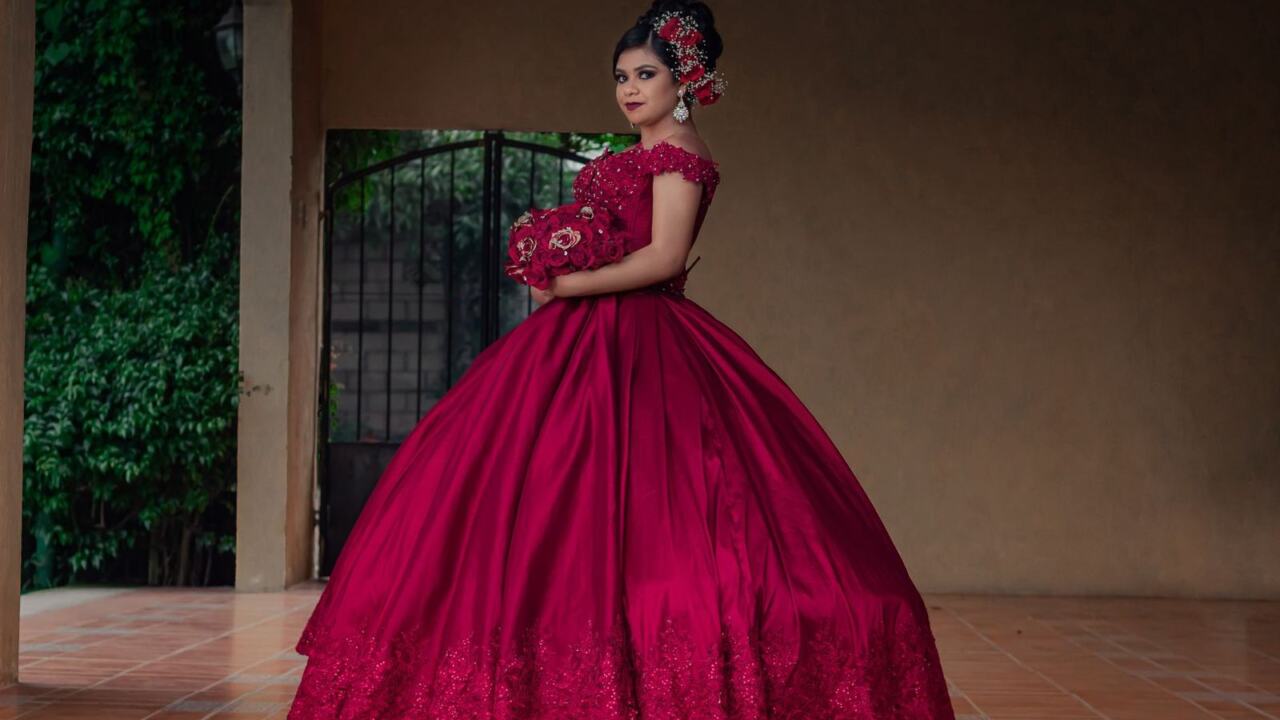
Invited to a party and unsure what everything means? Quinceanera traditions mark a girl’s 15th birthday and her step toward womanhood, through a Mass, a court of honor, a shoe change, a last doll and a waltz.
| Item | Value |
|---|---|
| Meaning of “quinceañera” | “15-year-old girl” in Spanish |
| Court of honor | 14 damas with their chambelanes |
| Shoe ceremony | Father replaces flat slippers with high heels |
| Last doll | Final childhood toy, received then given away |
| Spanish arrival in the Americas | 1500s |
Figures come from HISTORY’s article on the quinceañera. Customs vary by family and details can change, so check the source before you rely on them.
Where quinceañera traditions come from
The word “quinceañera” literally means “15-year-old girl” in Spanish, and the celebration commemorates her transition into womanhood. The roots stretch back centuries to the Indigenous civilizations of Mesoamerica, a region that today encompasses parts of Mexico, Guatemala, Honduras, Belize, El Salvador and Costa Rica.
Among the Maya and Aztec peoples, the end of puberty marked a young woman’s readiness for motherhood. They honored that with an initiation ceremony that recognized her new status within society.
When Spanish missionaries and colonizers arrived in the Americas in the 1500s, they reshaped these rites to fit Roman Catholic beliefs and mirror European court traditions. The result was a blend of ancient customs and Catholic spirituality that laid the groundwork for the modern quinceañera.
That mix explains why one party can feel both deeply religious and a little like a royal ball. Neither side cancels out the other: the faith, the family and the formal dress all belong to the same story.
The Mass and the religious side
The celebration typically begins with a Catholic Mass. During it the quinceañera receives a special blessing, along with gifts like a new Bible and rosary, reaffirming her faith.
If you are a guest, this is the part where you simply follow the family’s lead. Dress respectfully, arrive on time and save the dancing for the reception.
Not every family follows the religious step in the same way. Some keep it short, and some hold a simple blessing instead of a full service.
The symbolic moments at the reception
After the Mass, the celebration typically continues with a lively reception that features several symbolic moments. The modern quinceañera includes a series of rituals, each rich with symbolic meaning. These are the ones guests see most often:
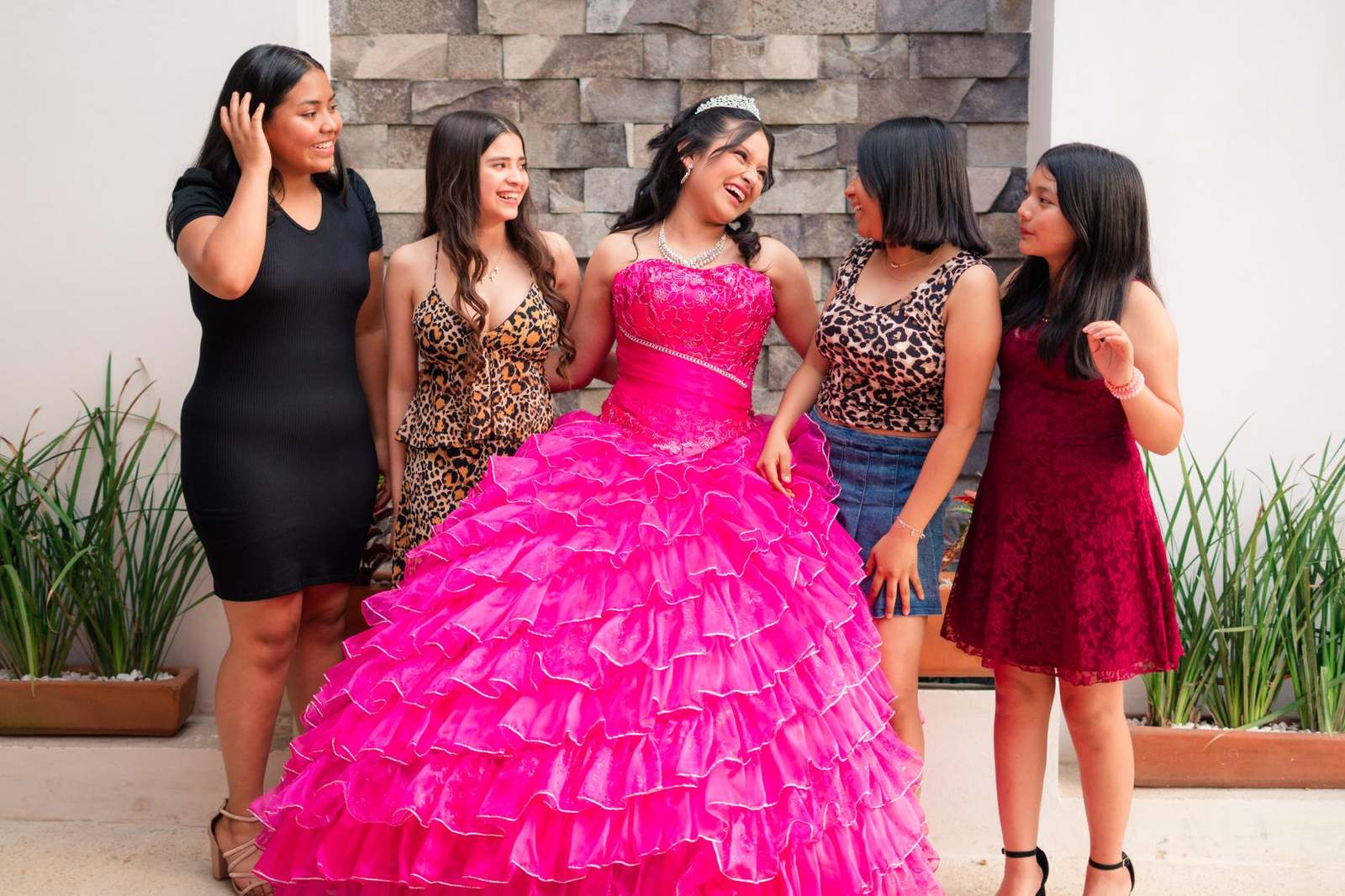
- Court of honor: 14 young women (damas) and their male escorts (chambelanes), close friends and family members who represent each year of her childhood.
- Father-daughter waltz: she dances with her father or a significant male family member, who may offer advice and wisdom as she steps into adulthood.
- Changing of the shoes: her father replaces her flat slippers with high heels, symbolizing her step into womanhood.
- Last doll: she receives, and then gives away, her final childhood toy, often a doll dressed to match her.
The order differs from one party to the next. Ask the family or read the program if you want to know what comes when.
What each ritual says about growing up
Read together, the rituals tell a short story about leaving one stage of life and entering another. Each one turns an abstract idea into something you can watch happen on the dance floor.
The court: people who shared her years
Because the court represents each year of her childhood, it is made of the friends and relatives who were part of those years.
The shoes: a visible change
Flat slippers become high heels in front of everyone. It is the simplest symbol of the set, and it explains the ceremony without a word.
The doll: letting go
The last doll is a goodbye to childhood play. Because she gives it away, the gesture says she is passing that stage on and not just putting it on a shelf.
The waltz: a father’s blessing
The dance with her father or another significant male family member is a quiet moment inside a loud party. He may offer advice and wisdom as she steps into adulthood, so for many families it is the emotional center of the night.
Who helps: family and sponsors
The community pitches in. Aunts, uncles, cousins and close family friends often serve as madrinas and padrinos, sponsoring different parts of the celebration.
A sponsor might cover a particular element of the event, or give one of its symbolic gifts. Being asked is an honor, and it shows how much a quinceañera belongs to the whole family and not just one household.
Reading a quinceañera as a guest
Knowing the symbols makes the evening easier to follow. Here is a simple way to watch for them:
- Notice who stands beside the quinceañera. The court shows who has been part of her life.
- Watch the shoes. When the heels appear, the family is marking the shift from girl to young woman.
- Look for the doll. Seeing it handed on tells you the childhood chapter is closing.
- Stay quiet during the waltz. It is a private message shared in public.
Every family adds its own touches, from music to special blessings. If something looks different from what you read here, that is usually a family or regional choice and not a mistake.
Questions are welcome too, since relatives are generally glad to explain what a ritual means to them. A short, friendly question during the reception tends to be received as interest and respect.
Quinceañeras in a Las Vegas context
Families in the valley carry these customs into local halls, churches and backyards. To see the wider picture, read about latino culture in las vegas.
Many families hear about community events through the airwaves, and our guide to spanish radio stations las vegas shows where that happens. For the community behind the celebrations, see latino population in las vegas.
This site is independent and educational. It does not plan events, take bookings or offer advice on hiring vendors.
Frequently asked questions
What does quinceañera mean?
Show answer
It literally means “15-year-old girl” in Spanish. The word is used for the girl and for the celebration of her 15th birthday.
How many people are in the court of honor?
Show answer
HISTORY describes 14 damas with their escorts, the chambelanes, each representing a year of her childhood. Families may adapt the number.
What is the last doll ceremony?
Show answer
It is a ritual in which the girl hands on the toy that closes her childhood. It marks leaving childhood play behind.
Who changes the shoes?
Show answer
In the ceremony as HISTORY describes it, her father replaces her flat slippers with high heels. Some families choose another relative.