Craving salvadoran food las vegas style but unsure what to order? Start with pupusas: thick griddled corn cakes stuffed with cheese, beans or pork, served with tangy curtido slaw and a thin tomato salsa.
This guide is part of our look at latino restaurants in las vegas, and it focuses on what to order and how to eat it.
| Item | Value |
|---|---|
| Pupusa origin | First made by the Pipil people |
| National food declaration | 1 April 2005, by El Salvador’s Legislative Assembly |
| Classic side | Curtido, a tangy cabbage slaw |
| Common fillings | Cheese, refried beans or chicharrón (fried pork) |
| Mixed filling | Revuelta: cheese, beans and pork together |
Figures and history come from Remitly’s explainer on El Salvador’s national dish. Details can change or be disputed, so check the source before you rely on them.
What is a pupusa?
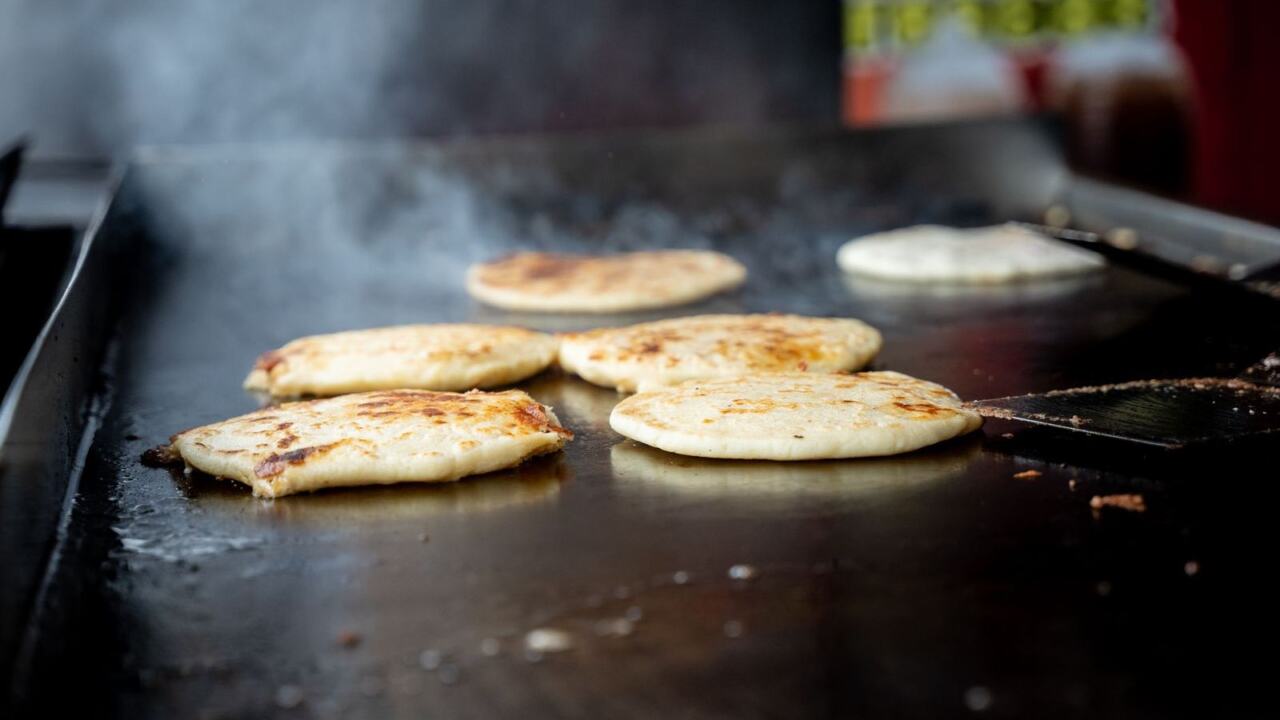
A pupusa is a corn-dough cake stuffed before it is cooked on a hot griddle. The filling is sealed inside, so the cheese melts into the dough and crisps at the edges.
Unlike a taco, it is not folded. You tear off a piece with your fingers, add a spoonful of slaw, and eat it warm.
It is usually a filling meal in itself, which is why many diners order two or three rather than one big plate.
A short history of the dish
Historians and food writers credit the Pipil people, who lived in the centre and west of El Salvador, with first making the stuffed corn cake.
During the colonial period, from 1525 to 1821, Spanish settlers introduced ingredients like pork, cheese and onions. That is part of why pork and cheese are now so familiar inside a pupusa.
On 1 April 2005, El Salvador’s Legislative Assembly declared the pupusa the country’s national food, according to the source above. For the declaration date and wording used here, refer to the account linked above when reading about the dish’s history. That account describes the declaration as recognition of the pupusa’s importance, while tracing the dish’s origins to the Pipil people in the centre and west of El Salvador.
What to order: fillings and sides
Most menus list the same core choices. Ask your server which are made fresh that day.
- Queso: cheese, a common filling.
- Frijol con queso: refried beans and cheese.
- Chicharrón: fried pork, often blended into a paste.
- Revuelta: cheese, beans and pork mixed together.
- Loroco: a flower bud with a green, slightly grassy flavour, often paired with cheese. Many restaurants offer it, though not all.
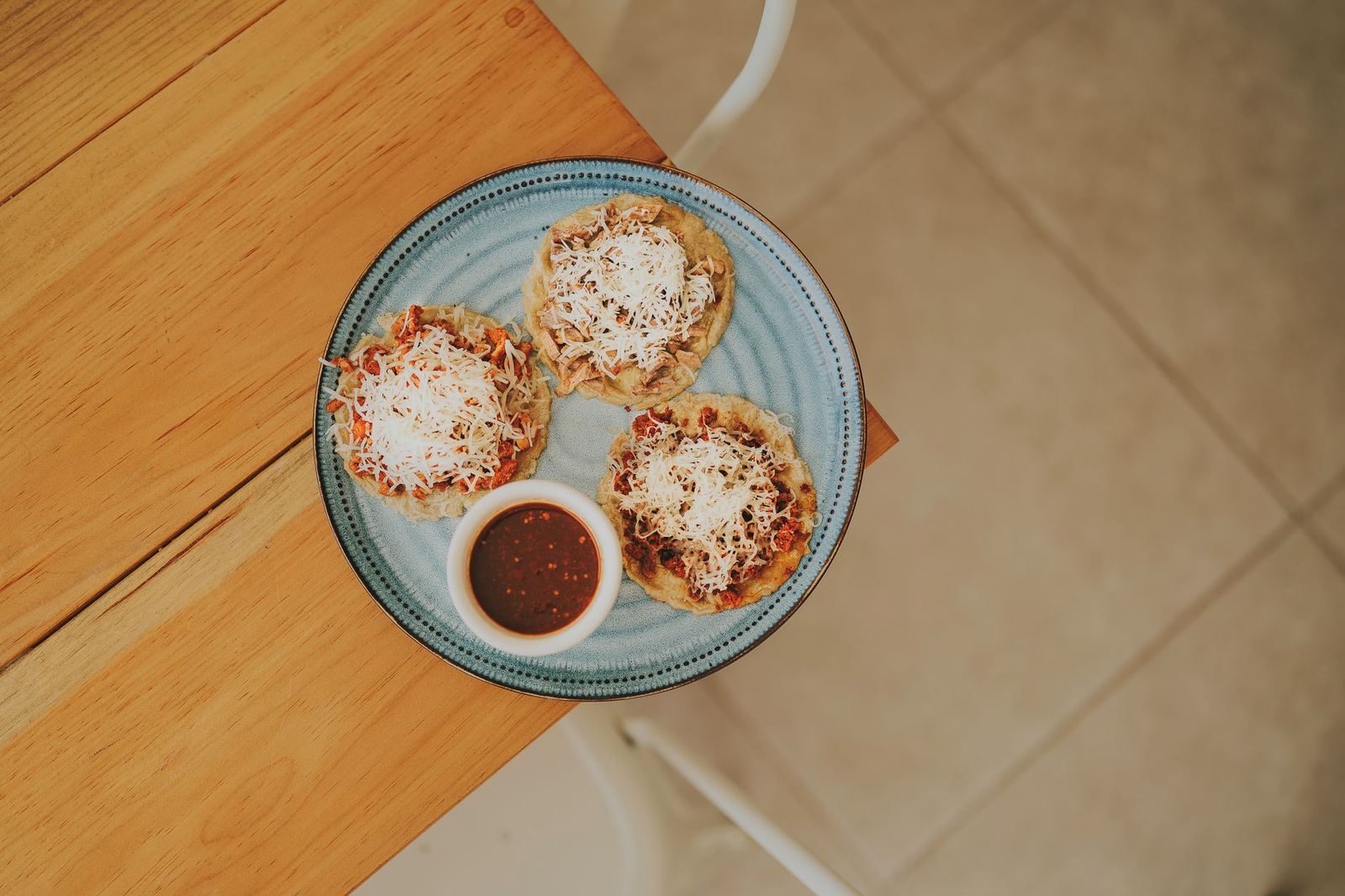
Pupusas almost always come with curtido, a tangy cabbage slaw, and a simple tomato sauce called salsa roja. Spoon both on top, and do not skip the slaw: its acidity balances the rich cheese.
Beyond pupusas: other Salvadoran dishes to look for
Many Salvadoran restaurants in Las Vegas serve more than pupusas. Menus vary, so use this as a list of things to ask about rather than a promise.
- Fried plantains with beans and cream, often a breakfast or side dish.
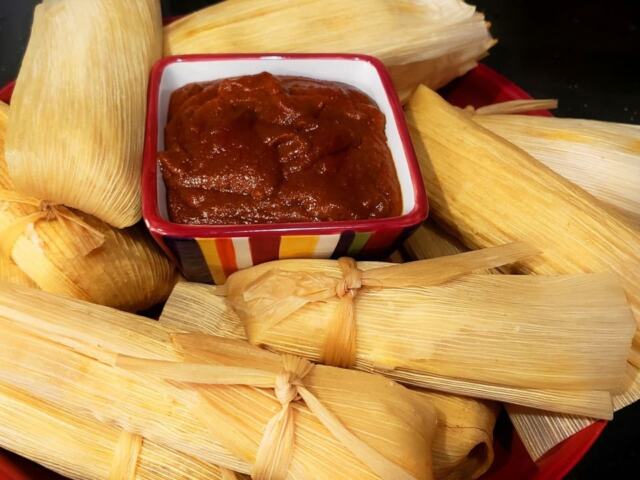
- Tamales wrapped in leaves, which differ from Mexican versions in texture and filling.
- Soups and seafood plates, which some places offer on weekends.
- Horchata and other drinks, sweet and cooling beside salty griddled food.
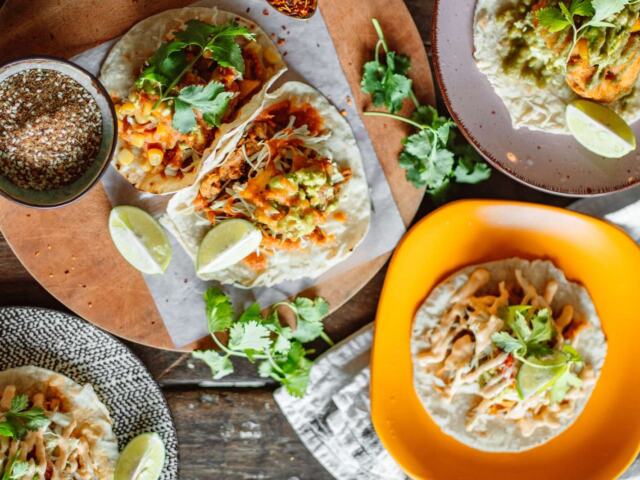
If you already enjoy other regional Latin cooking, compare it with the rich stew-dipped tacos in our birria tacos las vegas guide. For a very different Latin American flavour profile, read about peruvian restaurants las vegas.
Salvadoran food in Las Vegas: what to expect
Las Vegas has a mix of small family-run spots, counters inside markets and food trucks that serve Salvadoran cooking.
The setting is usually casual. You order at a counter or sit at a simple table.
Prices are generally modest compared with resort dining, but they differ from place to place and change over time. Look at the menu board before you order, and ask whether pupusas are priced individually.
If you want to order in Spanish, try these phrases:
- Una de queso, por favor: one cheese pupusa, please.
- Con curtido: with the slaw.
- Para llevar: to go.
- La cuenta: the bill.
Staff at most places are happy to point at the menu and explain, so do not worry if your Spanish is limited.
Tips for finding a good pupusería
Restaurant details change, so check current hours and menus before you go. Instead of relying on a single ranking, look for a few practical signs.
- Watch for pupusas being patted out and cooked to order, rather than held under a heat lamp.
- Check that curtido and salsa roja arrive with the plate.
- Look for a menu with several fillings, including a revuelta.
- Ask staff for their most popular filling and try it first.
- Go with friends and share a mix, so you can compare fillings.
Cash and card policies differ at small family-run places, so it helps to have both on hand. Weekends can be busy, and a made-to-order griddle means a short wait is normal.
Planning a first visit and how to eat
Go with an open mind and a decent appetite. A first order of two pupusas plus a side is a sensible start, and you can add another round if you are still hungry.
If you are eating with a group, order a spread and share. That way everyone tries cheese, beans and pork versions, and you can compare how each one pairs with the slaw and sauce.
Vegetarians have an easy time here, because cheese and bean fillings are standard. Ask whether the beans are cooked with lard or meat if that matters to you, since practices vary by kitchen.
Bring a little patience too. Because each pupusa is shaped by hand and cooked to order, a busy lunch rush can mean a wait, and that wait is usually worth it for a hot, freshly made plate.
Finally, check each restaurant’s current hours online or by phone. Small places sometimes close on certain days or run out of fillings by late evening.
Use your hands. Pupusas are traditionally eaten without a knife and fork, and the slaw is meant to be piled on as you go.
Eat them hot, since the cheese firms up as it cools. Pair them with a cold drink, and save room for a sweet plantain or a dessert if the menu has one.
If you are new to the cuisine, start with queso and revuelta, then branch out to loroco once you know what you like.
Frequently asked questions
Are pupusas gluten-free?
Show answer
They are made from corn dough, but cross-contact with other foods or flavourings is possible. Ask the restaurant about how it prepares them if you have a medical need.
How many pupusas should I order?
Show answer
Many diners order two or three each as a full meal. Start with two and add more, since they are cooked to order.
Is a pupusa the same as a gordita?
Show answer
No. A pupusa is stuffed before cooking, with the filling sealed inside the dough. A gordita is usually cut open and filled afterwards.
What is curtido?
Show answer
Curtido is a tangy cabbage slaw that comes with pupusas, according to Remitly’s explainer. You spoon it on top along with salsa roja.