Craving black beans, roast pork and plantains? Cuban restaurants Las Vegas offers are few but worth finding, and the Strip’s Havana 1957 is the best-known place to start.
This guide is part of our look at latino restaurants in las vegas.
| Item | Key fact |
|---|---|
| Havana 1957 opened on the Strip | 2024 |
| Havana 1957 in the Miami area since | 2010 |
| Cuban Combo at Havana 1957 (June 2025 review) | $38 |
| Crispy ropa vieja empanadas (June 2025 review) | $18 |
| Earliest recorded Cuban sandwich mentions | Around 1900, Ybor City and West Tampa |
Figures come from the Las Vegas Weekly review of June 2025 and the Cuban sandwich entry on Wikipedia. Menus and prices change, so check the source and the restaurant before you rely on them.
Start with the dishes: ropa vieja combines stewed beef, tomatoes and sofrito, while a Cuban sandwich layers ham, roast pork, Swiss cheese, pickles and mustard on Cuban bread.
What makes Cuban food different
Cuban plates lean on stewed meats, rice and fried plantains, with a sofrito base under dishes like ropa vieja. It is hearty comfort food, and the menu is easy to read even if you are new to it.
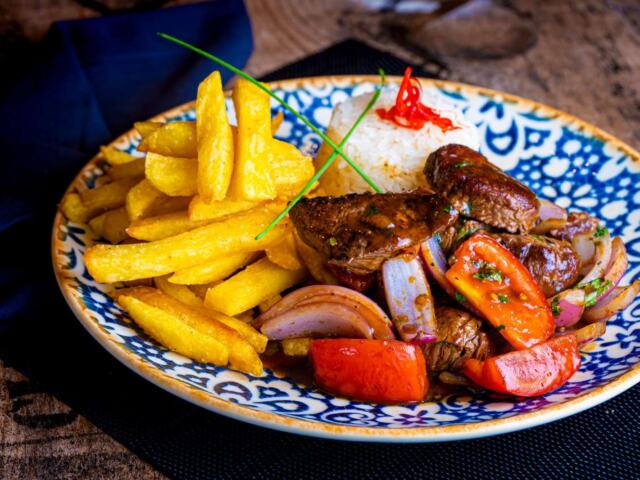
If you already enjoy the bold flavors in peruvian restaurants las vegas has to offer, Cuban food is a gentler, more savory step along the same Latin American path.
Dishes to order
These are the plates to look for on a Cuban menu:
- Ropa vieja: shredded stewed beef in a tomato and sofrito sauce, usually with white rice and plantains.
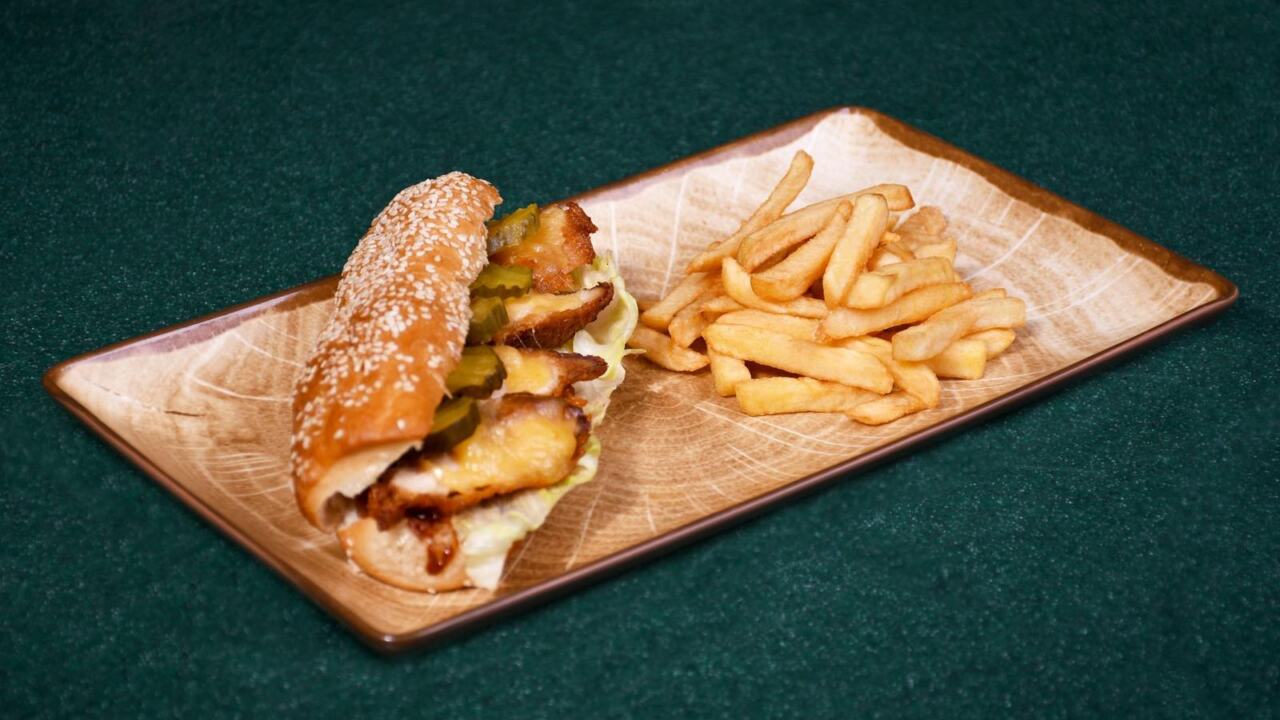
- Cuban sandwich: roast pork, ham, Swiss cheese, pickles and mustard on Cuban bread, pressed hot.
- Moros y cristianos: black beans and white rice, often served together.
- Yuca fries and croquetas: common starters and sides.
- Ceviche and empanadas: modern additions at upscale spots.
Ropa vieja is the one many diners start with. Wikipedia notes that it is “known today as one of the national dishes of Cuba” and that it originated in Spain, according to the Wikipedia ropa vieja entry.
Ropa vieja: the name and the plate
The name sounds odd for a national dish. The Wikipedia ropa vieja entry says the name “probably originates from the fact that it was often prepared using food left over from other meals”.
It also notes a second idea, that the name comes from the “tattered appearance” of the meat. Either way, the dish is about tender shredded beef that soaks up its sauce.
The same entry says that in Cuba it is often served with Moros y Cristianos, a form of rice and beans, and fried plantains. That is a good template for what to expect on a Cuban plate: something savory, something starchy and something sweet.
When you order, pay attention to the sauce. A good version should taste of tomato and sofrito rather than being dry or watery, and the beef should pull apart easily.
The Cuban sandwich and its disputed roots
The Cuban sandwich is made with ham, roast pork, Swiss cheese, pickles and mustard on Cuban bread, and sometimes salami. Tampa versions include salami, while South Florida versions usually leave it out.
Its origin is argued over. The earliest recorded mentions of a distinct Cuban sandwich come from workers’ cafés in Ybor City and West Tampa from around 1900, though the same entry says it is impossible to say exactly when or where it began.
Some believe it became a lunch staple for workers in the cigar factories and sugar mills of Cuba. The Wikipedia entry adds that Cuban exiles later brought it to Miami, where it is also very popular, and that it sits at the center of a long-running friendly rivalry between Miami and Tampa.
For you as a diner, that means the details differ by kitchen. Ask whether the sandwich comes with salami, and whether the pork is roasted or marinated in mojo.
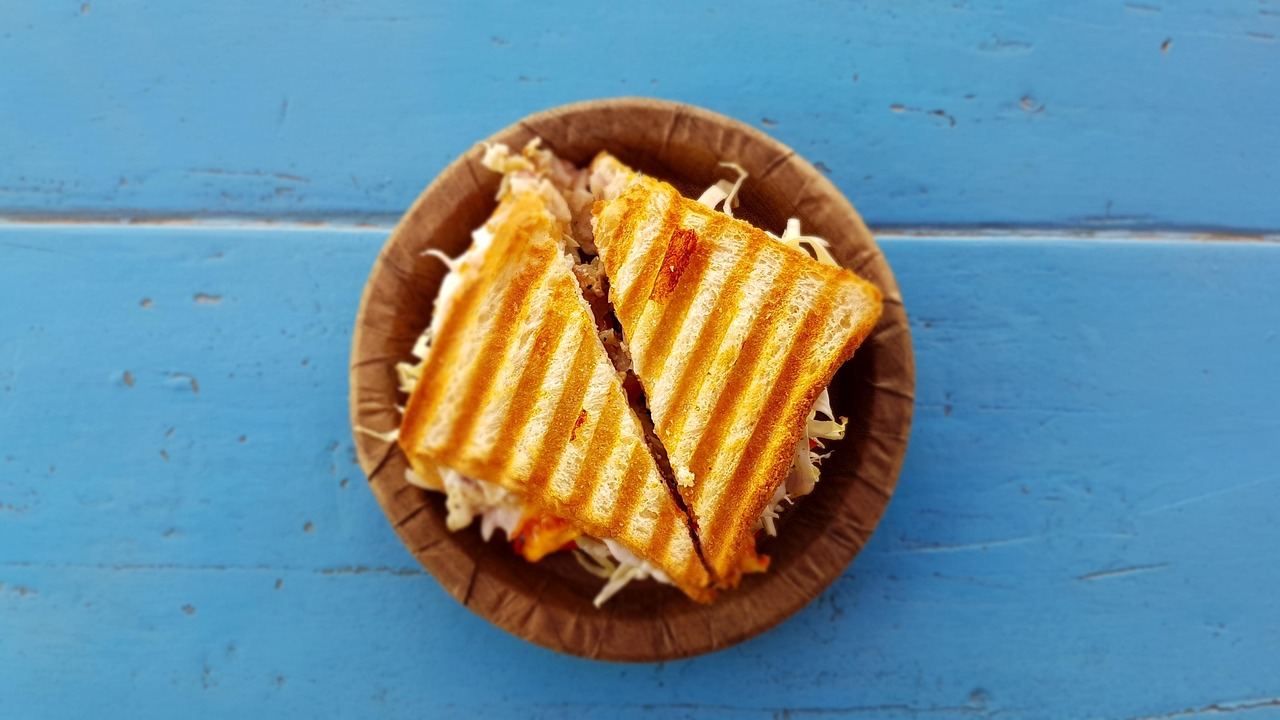
Havana 1957 on the Strip
The Las Vegas Weekly review opens by saying that Las Vegas and Havana “were cut from the same cultural cloth”, pointing to Havana’s legendary Tropicana cabaret club. That link is part of why a Cuban restaurant feels natural on the Strip.
The restaurant is a Vida & Estilo Restaurant Group staple in the Miami area since 2010 and opened on the Strip in 2024. As of the June 2025 review, the reviewer praised these dishes:
- The Cuban Combo ($38), with deep-fried ham croquettes, truffled yuca fries and savory pork chunks.
- The mahi-mahi tropical ceviche ($26).
- The crispy ropa vieja empanadas ($18), good as finger foods.
This site is independent and is not affiliated with the restaurant. Confirm hours, menu and prices with the venue before you go.
What the Strip setting adds
The same review describes a room with palm trees painted on the walls, red accents and checkered flooring. It also mentions a stage where live jazz bands and Latin lounge singers perform.
That makes the visit as much about atmosphere as food. If you want a quick lunch, a sandwich-focused spot may suit you better, while a Strip dinner suits a longer evening with shared starters.
Consider these trade-offs when you plan:
- Strip dining: more theater and music, with higher prices such as the $38 combo.
- Casual spots: usually simpler menus built around sandwiches and plates.
- Shared plates: let a group sample croquettes, empanadas and ceviche at once.
How to find a good Cuban meal in Las Vegas
A little checking before you go pays off. Use this short routine:
- Search recent reviews and confirm the restaurant is still open.
- Look for ropa vieja, a Cuban sandwich and black beans and rice on the menu as a basic test.
- Ask about the bread, since good Cuban bread makes the sandwich.
- Order a shared plate first, then add a main.
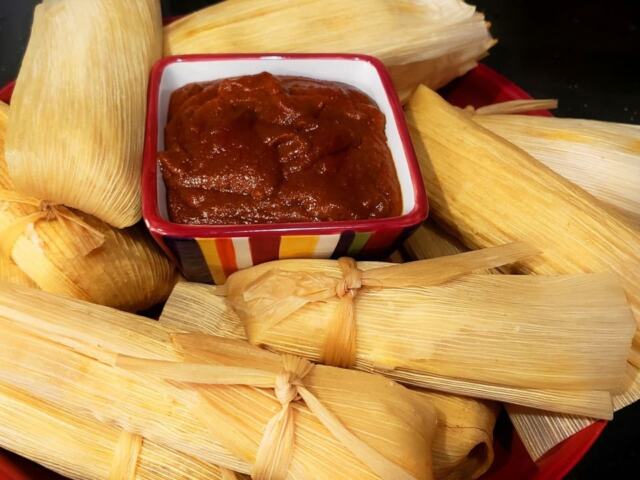
If you like handheld Latin comfort food, you might also try the steamed parcels covered in tamales las vegas diners seek out, which make a good contrast with a pressed sandwich.
When reading a menu, distinguish the dish from its accompaniments. Ropa vieja normally includes stewed beef and tomatoes with a sofrito base. The rice and beans and fried plantains often served alongside it in Cuba are accompaniments, rather than the ingredients that define the beef preparation. The name also has more than one proposed explanation: leftover food is the probable origin given in the entry, while the meat’s tattered appearance is another suggestion. Neither explanation needs to be treated as settled history.
The sandwich’s history calls for a similar distinction between documented mentions and an exact origin. Accounts of workers’ cafés in Ybor City and West Tampa establish early recorded mentions, but they do not settle where the sandwich began. The idea that it became a lunch staple in Cuba’s cigar factories and sugar mills is presented as a belief. For the sandwich itself, salami is a useful regional detail to recognize: it is included in Tampa and usually absent in South Florida. Both descriptions retain the combination of ham, roast pork, Swiss cheese, pickles and mustard on Cuban bread.
Frequently asked questions
What is the most famous Cuban dish?
Show answer
Ropa vieja is widely called one of Cuba’s national dishes. It is shredded stewed beef in a tomato and sofrito sauce.
Is there a Cuban restaurant on the Las Vegas Strip?
Show answer
Yes. As of the June 2025 Las Vegas Weekly review, Havana 1957 at the Flamingo had opened on the Strip in 2024.
Does a Cuban sandwich have salami?
Show answer
It depends on the region. Salami is included in Tampa, but it is not usually included in South Florida.
Where did the Cuban sandwich start?
Show answer
No one knows for certain. The earliest recorded mentions are from workers’ cafés in Ybor City and West Tampa from around 1900.