Wondering where lucha libre las vegas fits in a city of shows and fights? It sits between big arena spectacles and neighborhood festivals, and you can see it at both.
This guide is part of our coverage of latino events in las vegas.
| Item | Value |
|---|---|
| Year Lutteroth chartered EMLL, the company behind Mexico’s modern lucha libre | 1933 |
| Year AAA was founded | 1992 |
| Year Mexico City declared lucha libre intangible cultural heritage | 2018 |
| WWE and AAA joint event at Cox Pavilion, Las Vegas | August 2025 |
| Triplemanía 33 attendance at Arena CDMX, Mexico City | 19,691 |
| Date AAA issued its announcement about the planned September Triplemanía | July 30, 2026 |
Figures come from The Nevadan and WWE’s July 2026 announcement. They can change, so check the source before you rely on them.
What lucha libre is and why it matters to Latino audiences
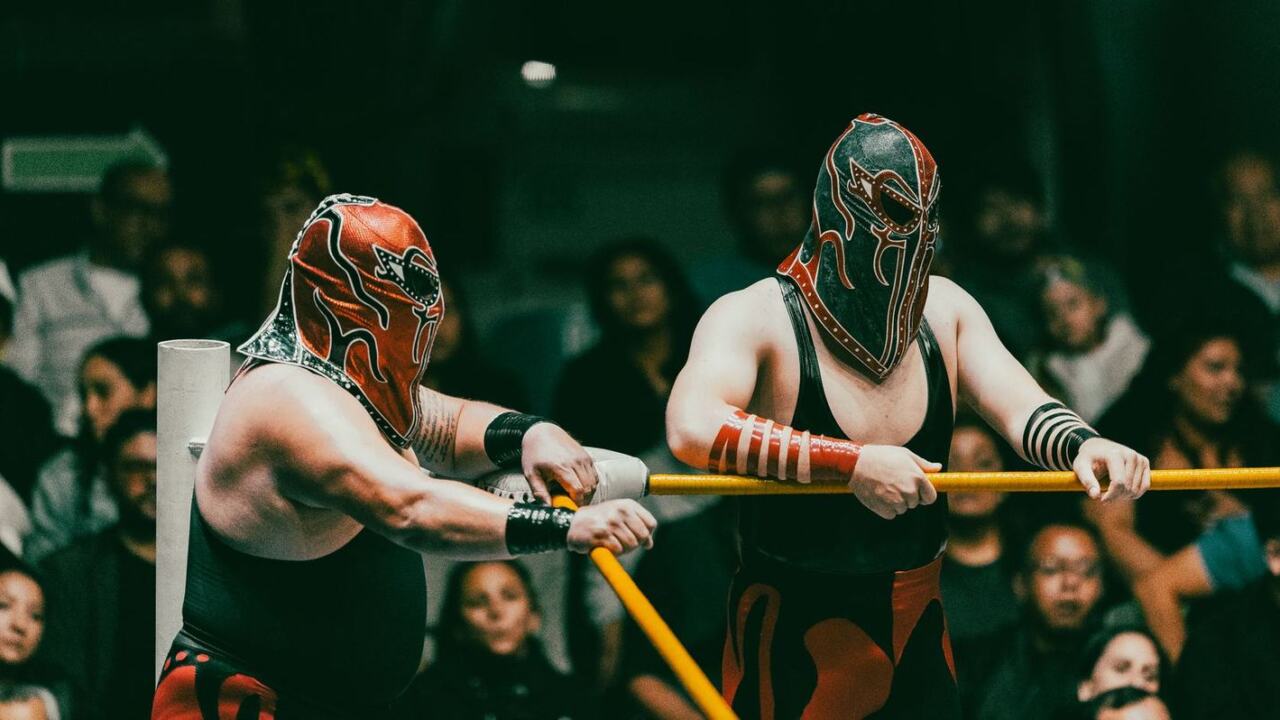
The term lucha libre literally translates to “free fight.” It is the Mexican style of professional wrestling, known for fast aerial moves and masked performers.
The Nevadan describes the style as standing out for its dramatic hero-versus-villain storytelling. It also says the sport is nearly as popular as soccer for many people of Hispanic heritage.
Characters fall into two camps:
- Técnicos are the good guys.
- Rudos are the bad guys.
Knowing that split makes a first show easy to follow. The crowd tells you who to cheer and who to boo.
A short history from Mexico City to the Strip
Modern lucha libre traces to Salvador Lutteroth, who chartered Empresa Mexicana de Lucha Libre (EMLL) in 1933 after watching matches in El Paso, Texas. Wikipedia calls him the father of Mexican professional wrestling.
Around that time he found his first major star, the masked icon El Santo, who is generally regarded as the greatest Mexican wrestler of all time. The mystery around his identity helped make him the company’s most popular performer.
The Nevadan notes that the sport has roots in French-influenced wrestling exhibitions in Mexico. It also says AAA was founded in 1992, breaking off from Consejo Mundial de Lucha Libre, which dates to 1933.
In 2018, the government of Mexico City declared the sport part of its intangible cultural heritage, according to the same article.
Masks, icons and the television boom
The mask is the visual signature of the sport. The Nevadan says masks have been historically significant in Mexico since the days of the Aztecs, and that their usage dates back to the origins of lucha libre.
The sport is also a significant part of Mexican culture. The same article names El Santo, Mil Máscaras and Ray Mendoza among its nationally celebrated icons.
Growth followed bigger venues and the small screen. By the mid-1940s Lutteroth built the Arena Coliseo, with a capacity of nearly 6,500 seats, according to Wikipedia.
Wikipedia says El Santo also acted over three decades in scores of action-adventure films, which were hugely popular at the time.
That film reach is why a masked wrestler can feel like a folk hero to many families. It also explains why you may see children in replica masks at a Las Vegas festival.
National Lucha Libre Day and the cultural calendar
The Nevadan describes the 1933 CMLL event as widely considered the birth of lucha libre.
For local planning, check promoters’ schedules; do not assume a commemorative date will bring a Las Vegas event.
Where lucha libre shows up in Las Vegas
You do not need a casino ticket to meet a luchador. The Nevadan says you may have seen lucha libre at the annual Tacos & Tamales Festival at Desert Breeze Park or at Hispanic Heritage Night at the Las Vegas Ballpark.
The big-stage side is growing too. The same article reports that WWE and AAA joined forces for Worlds Collide: Las Vegas at the city’s Cox Pavilion in August 2025.
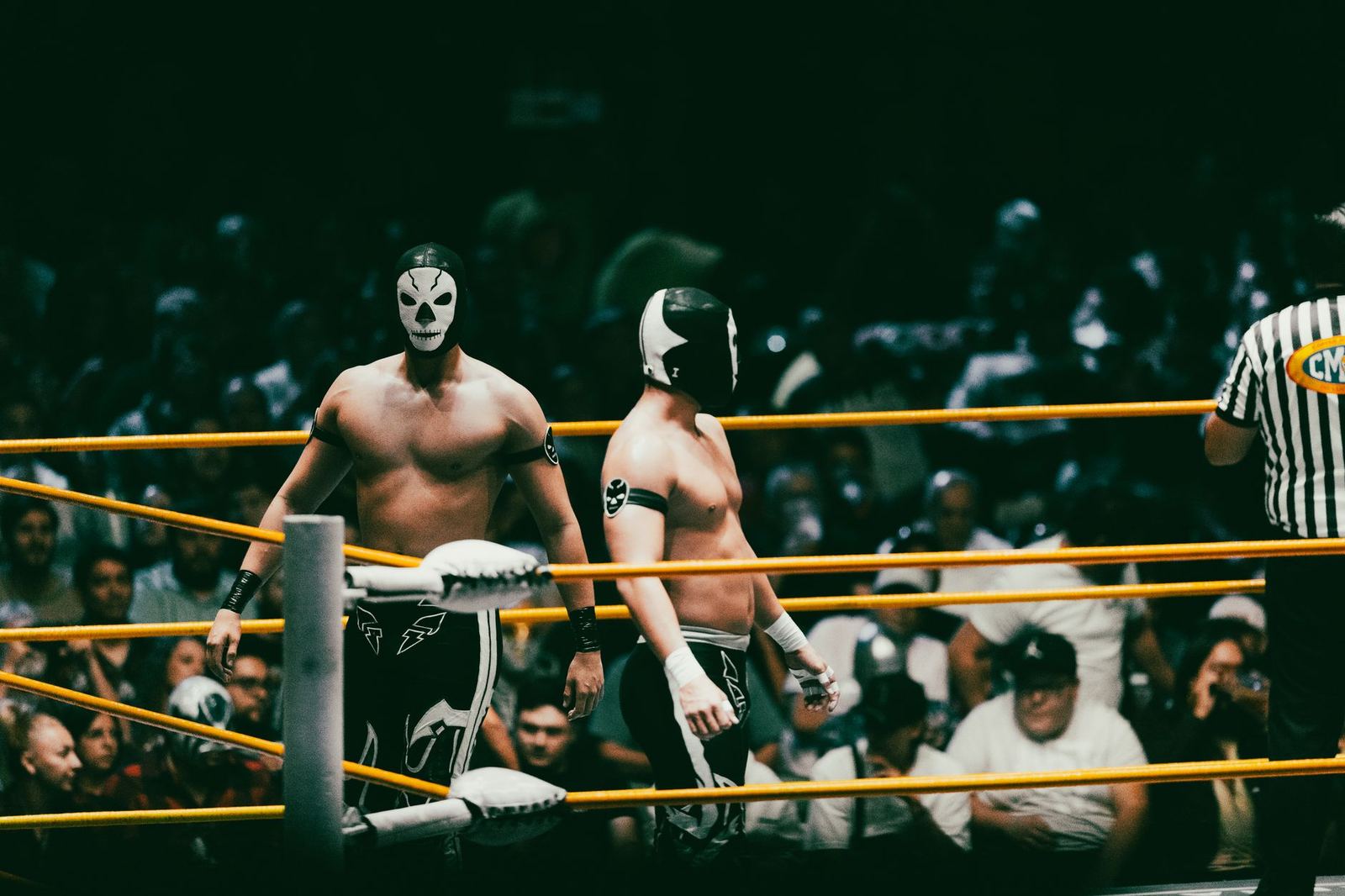
Festival matches tend to be family-friendly and part of a larger cultural day. Arena shows are ticketed productions with bigger cards and louder crowds.
Triplemanía arrives: the 2026 Las Vegas night
AAA’s flagship Triplemanía was planned for Las Vegas in September 2026 as part of a two-night, two-country event, according to WWE’s July 30, 2026 announcement.
The same page notes how big the brand already is. Triplemanía 33 in August 2025 at Arena CDMX in Mexico City drew a record crowd of 19,691.
That is the scale Las Vegas is now being linked with. For a city with a large Latino population, it shows that lucha libre is no longer only a side attraction.
What the Triplemanía night says about the city
Las Vegas already sells itself on boxing, residencies and conventions. A lucha libre card on the same bill of attractions shows the city treating Latino entertainment as a main event.
For locals, the benefit is simple: a big promotion now has a reason to look at the valley again. For visitors, it adds a cultural option that is not available on most other trips.
Keep expectations grounded, though. An announcement does not tell you how often large shows will return.
How to enjoy your first show
- Learn the técnico and rudo roles before you go, so the story is clear.
- Arrive early. Masked entrances and crowd chants are part of the fun.
- Join in the chants. Fans are expected to be loud.
- Check the official page of the promoter or venue for dates, since schedules change.
If you want a night out after the show, our guide to latin nightclubs las vegas is a good next step. For lower-cost options, see our roundup of free latino events las vegas.
Use the local examples as starting points for a search, rather than as a calendar. The festival and ballpark appearances described above show where lucha libre has been encountered in Las Vegas. Before building an outing around either setting, check whether wrestling is included in the event you are considering. A past appearance is useful background, but it does not establish the program for your visit.
Read an arena announcement with the same attention to context. The September plan described above comes from a July announcement; keep that distinction in mind when looking for a show to attend. Check the event date and venue against the current listing before making plans. Also keep the attendance figure in its proper place: it describes an event in Mexico City, so it should not be read as a Las Vegas crowd count or a prediction for another show.
For watching the action, start with the character roles rather than trying to recognize every move. Ask which performer is presented as the hero and which as the villain. The técnico and rudo distinction gives you a way to follow the dramatic storytelling described in the research. Then pay attention to how the masked characters and aerial moves contribute to that story.
The cultural background offers another way into the spectacle. Think about the masks alongside their historical significance in Mexico, and about the performers alongside the celebrated wrestling icons discussed above. The sport’s recognition as intangible cultural heritage in Mexico City provides context for looking beyond individual bouts. You can use that history to guide what you notice without needing to know every wrestler’s career before attending.
Frequently asked questions
What does lucha libre mean?
Show answer
It translates to “free fight” in Spanish, according to The Nevadan. It refers to Mexican-style professional wrestling.
Who are técnicos and rudos?
Show answer
Técnicos are the good guys and rudos are the bad guys, as described by The Nevadan.
Can I see lucha libre in Las Vegas without a big arena ticket?
Show answer
Sometimes. The Nevadan lists the Tacos & Tamales Festival at Desert Breeze Park and Hispanic Heritage Night at the Las Vegas Ballpark as places where it has appeared.
When did Triplemanía come to Las Vegas?
Show answer
AAA’s first-ever Las Vegas Triplemanía was planned for September 2026, per WWE’s July 30, 2026 announcement.